az I WISH helyett használhatod az IF ONLY kifejezést is, mert ez ugyanazt jelenti.
I wish I was more patient.= If only I was more patient.= Bárcsak türelmesebb lennék.
I wish I could ride a bicycle.= If only I could ride a bicycle. = Bárcsak tudnék biciklizni.
I wish he would study for his exams.= If only he would study for his exams. = Bárcsak tanulna a vizsgáira.
I wish I hadn't shouted at Ann yesterday. = If only I hadn't shouted at Ann yesterday. = Bárcsak nem kiabáltam volna rá Ann-re tegnap.
AQUA: TURN BACK TIME
to reason - érvel
to think sth through - átgondol
to remind - emlékeztet
strenght - erő
to face - szembenéz vmivel
to turn back time - visszafordítani az időt
to hide - elbújik, elbújtat, elrejt
to claim right to sth - követeli a jogát vmihez
pang - fájdalom, kín
conscience - lelkiismeret
to drill a hole - lyukat fúrni
flash - villanás, vaku
2012. január 21.

2012. január 20.

2012. január 17.
I wish..... 2.
Az első részben tanult szerkezet jelen idejű kívánságra vonatkozott. Ha logikusan belegondolsz, múlt ideje csak az "I wish...+múlt idő" szerkezetnek lehet, hiszen múlt időben nem tudunk olyan dologról beszélni, ami még bekövetkezhet...
Jelen: I wish I was younger. - Bárcsak fiatalabb lennék.
Múlt: I wish I had been younger. - Bárcsak fiatalabb lettem volna.
Jelen: I wish she came earlier. - Bárcsak hamarabb jönne.
Múlt: I wish she had come earlier. - Bárcsak korábban jött volna.
Jelen: I wish my dog had a puppy. - Bárcsak lenne kölyke a kutyámnak.
Múlt: I wish my dog had had a puppy. - Bárcsak lett volna egy kölyke a kutyámnak.
Úgy csinálsz múlt időt a jelenből, hogy az igét Past Perfect Simple-be teszed.
You are leaving for the USA, but you can't find your passport.
I wish I could find my passport.
Sam kórházba került, és a következők járnak a fejében:
I had an argument with my girlfriend yesterday. I got upset, and left home. I was driving too fast and I had an accident. Unfortunately I can't control my temper. My girlfriend is angry, and won't come and visit me. My leg hurts so much! The nurse is so grumpy, I want to go home!
ROXETTE: I WISH I COULD FLY
Halfway through the night
I wake up in a dream
Echoes in my head
Make every whisper turn into a scream
I dreamed I could fly
Out in the blue
Over this town
Following you
Over the trees
Subways and cars
I'd try to find out
Who you really are
In the middle of the night
Cool sweatin' in my bed
Got the windows open wide
Thinkin' about all the things you said
I wish I could fly
Out in the blue
Over this town
Following you
I'd fly over rooftops
The great boulevards
To try to find out
Who you really are
Who you really are
I wish I could fly now
Wish I could fly now
Wish I could fly now
I wish I could fly
Around and around
Over this town
The dirt on the ground
I'd follow your course
Of doors left ajar
To try to find out
Who you really are
To try to find out
Who you really are
Vocabulary:
echo – visszhang
whisper – suttogás
scream – sikoly
to turn sth into sth - vmit vmivé változtat
to sweat – izzad
ajar - félig nyitott
to find out – megtud
Jelen: I wish I was younger. - Bárcsak fiatalabb lennék.
Múlt: I wish I had been younger. - Bárcsak fiatalabb lettem volna.
Jelen: I wish she came earlier. - Bárcsak hamarabb jönne.
Múlt: I wish she had come earlier. - Bárcsak korábban jött volna.
Jelen: I wish my dog had a puppy. - Bárcsak lenne kölyke a kutyámnak.
Múlt: I wish my dog had had a puppy. - Bárcsak lett volna egy kölyke a kutyámnak.
Úgy csinálsz múlt időt a jelenből, hogy az igét Past Perfect Simple-be teszed.
You are leaving for the USA, but you can't find your passport.
I wish I could find my passport.
Sam kórházba került, és a következők járnak a fejében:
I had an argument with my girlfriend yesterday. I got upset, and left home. I was driving too fast and I had an accident. Unfortunately I can't control my temper. My girlfriend is angry, and won't come and visit me. My leg hurts so much! The nurse is so grumpy, I want to go home!
ROXETTE: I WISH I COULD FLY
Halfway through the night
I wake up in a dream
Echoes in my head
Make every whisper turn into a scream
I dreamed I could fly
Out in the blue
Over this town
Following you
Over the trees
Subways and cars
I'd try to find out
Who you really are
In the middle of the night
Cool sweatin' in my bed
Got the windows open wide
Thinkin' about all the things you said
I wish I could fly
Out in the blue
Over this town
Following you
I'd fly over rooftops
The great boulevards
To try to find out
Who you really are
Who you really are
I wish I could fly now
Wish I could fly now
Wish I could fly now
I wish I could fly
Around and around
Over this town
The dirt on the ground
I'd follow your course
Of doors left ajar
To try to find out
Who you really are
To try to find out
Who you really are
Vocabulary:
echo – visszhang
whisper – suttogás
scream – sikoly
to turn sth into sth - vmit vmivé változtat
to sweat – izzad
ajar - félig nyitott
to find out – megtud
2012. január 16.
I wish .....
Az I wish azt jelenti, hogy bárcsak, tehát egy kívánságot tudsz vele kifejezni.
I WISH YOU WERE HERE - bárcsak itt lennél.
Az I wish után a jelenre vonatkozó ige (te itt lennél) múlt időben (Past Simple-ben) van angolul!
Nézzünk még egy-két ilyen példát:
I WISH I WAS YOUNGER. - Bárcsak fiatalabb lennék.
I WISH SHE CAME EARLIER. - Bárcsak hamarabb jönne.
I WISH MY DOG HAD A PUPPY. - Bárcsak lenne kölyke a kutyámnak.
Természetesen használhatunk tagadást is:
I WISH I WASN'T SO OLD. - Bárcsak ne lennék ennyire öreg.
I WISH SHE DIDN'T GO HOME. - Bárcsak ne menne haza.
Tehát az ilyen I wish ...+ múlt idő mondatokat olyan jelenbeli helyzetekre használjuk, amelyekkel nem vagyunk megelégedve, de jelen pillanatban ezen nem tudunk, nem lehet változtatni.
Van ennek még egy típusa, amikor szintén egy olyan jelenbeli helyzetről beszélünk, amivel nem vagyunk megelégedve, és azt akarjuk, hogy valami változás történjen végre, valaki csináljon már valamit. Ilyenkor az előző (reménytelen) esettel ellentétben az I wish után nem múlt időt használunk, hanem would+ige első alakja szerkezetet.
I WISH IT WOULD STOP RAINING. - Bárcsak elállna az eső. (Meg van az esélye, hogy eláll.)
I WISH I WOULD BE IN AUSTRALIA. - Bárcsak Ausztráliában lennék. (Változást akarok, és az be is következhet.) Ezzel szemben, ha azt mondanám, hogy:
I WISH I WAS IN AUSTRALIA. - a jelentése a mondatnak ugyanaz lesz, de itt nincs valós esélye annak, hogy ez bekövetkezhet. (Pl: nincs is útlevelem, nincs rá pénzem, stb.)
Wish you were here
Me oh my countryman
Wish you were here
Wish you were here
Don't you know the stove is
Getting colder
And I miss you like hell
And I'm feeling blue
Wish you were here
Me oh my countryman
Wish you were here
Wish you were here
Don't you know the stove is
Getting colder
And I miss you like hell
And I'm feeling blue
I've got feelings for you babe
Do you still feel the same
From the first time I laid my
Eyes on you
I felt joy of livin
I saw heaven in your eyes
In your eyes
Wish you were here
Me oh my countryman
Wish you where here (I wish you were here)
Wish you were here
Don't you know the stove is
Getting colder
And I miss you like hell
And I'm feeling blue
I miss your laugh I miss
Your smile
I miss everything about you
Every second's like a minute
Every minute's like a day
When you're far away
Wish you were here
The stove is getting colder baby
I wish you were here
Wish you were here
A battlefield of love and fear
And I wish you were here
I've got feelings for you babe
Do you still feel the same
From the first time I laid my
Eyes on you
Wish you were here
Me oh my countryman
Wish you where here (I wish you were here)
Wish you were here
Don't you know the stove is
Getting colder
And I miss you like hell
And I'm feeling blue
I WISH YOU WERE HERE - bárcsak itt lennél.
Az I wish után a jelenre vonatkozó ige (te itt lennél) múlt időben (Past Simple-ben) van angolul!
Nézzünk még egy-két ilyen példát:
I WISH I WAS YOUNGER. - Bárcsak fiatalabb lennék.
I WISH SHE CAME EARLIER. - Bárcsak hamarabb jönne.
I WISH MY DOG HAD A PUPPY. - Bárcsak lenne kölyke a kutyámnak.
Természetesen használhatunk tagadást is:
I WISH I WASN'T SO OLD. - Bárcsak ne lennék ennyire öreg.
I WISH SHE DIDN'T GO HOME. - Bárcsak ne menne haza.
Tehát az ilyen I wish ...+ múlt idő mondatokat olyan jelenbeli helyzetekre használjuk, amelyekkel nem vagyunk megelégedve, de jelen pillanatban ezen nem tudunk, nem lehet változtatni.
Van ennek még egy típusa, amikor szintén egy olyan jelenbeli helyzetről beszélünk, amivel nem vagyunk megelégedve, és azt akarjuk, hogy valami változás történjen végre, valaki csináljon már valamit. Ilyenkor az előző (reménytelen) esettel ellentétben az I wish után nem múlt időt használunk, hanem would+ige első alakja szerkezetet.
I WISH IT WOULD STOP RAINING. - Bárcsak elállna az eső. (Meg van az esélye, hogy eláll.)
I WISH I WOULD BE IN AUSTRALIA. - Bárcsak Ausztráliában lennék. (Változást akarok, és az be is következhet.) Ezzel szemben, ha azt mondanám, hogy:
I WISH I WAS IN AUSTRALIA. - a jelentése a mondatnak ugyanaz lesz, de itt nincs valós esélye annak, hogy ez bekövetkezhet. (Pl: nincs is útlevelem, nincs rá pénzem, stb.)
Wish you were here
Me oh my countryman
Wish you were here
Wish you were here
Don't you know the stove is
Getting colder
And I miss you like hell
And I'm feeling blue
Wish you were here
Me oh my countryman
Wish you were here
Wish you were here
Don't you know the stove is
Getting colder
And I miss you like hell
And I'm feeling blue
I've got feelings for you babe
Do you still feel the same
From the first time I laid my
Eyes on you
I felt joy of livin
I saw heaven in your eyes
In your eyes
Wish you were here
Me oh my countryman
Wish you where here (I wish you were here)
Wish you were here
Don't you know the stove is
Getting colder
And I miss you like hell
And I'm feeling blue
I miss your laugh I miss
Your smile
I miss everything about you
Every second's like a minute
Every minute's like a day
When you're far away
Wish you were here
The stove is getting colder baby
I wish you were here
Wish you were here
A battlefield of love and fear
And I wish you were here
I've got feelings for you babe
Do you still feel the same
From the first time I laid my
Eyes on you
Wish you were here
Me oh my countryman
Wish you where here (I wish you were here)
Wish you were here
Don't you know the stove is
Getting colder
And I miss you like hell
And I'm feeling blue
2012. január 14.
The Leaning Tower of Pisa
The Leaning Tower of Pisa is a building in Pisa, Italy. It is a bell tower. The circular bell tower stands next to Pisa’s cathedral. It is famous because it leans to one side, and it looks like it might fall over. Over the years, the tower became a symbol of Italy and an important tourist attraction.

By 1990, the top floor leaned 17 feet (520 cm) to the south. Several attempts were made to straighten the tower, but some of them made the situation even worse. A lot of restoration work has been done so far to stop it from falling over completely.The height of the tower is about 55 metres from the ground. Its weight is about 14,500 tonnes. It now leans at about 3.99 degrees. The tower has 294 steps leading to 7 bells at the top. The outside of the tower is decorated with arches and columns.
The construction of the tower began in 1173. After the third floor was built in 1178, the tower started to lean, due to having a small three-meter foundation in soft soil. The design of the tower was bad from the beginning. Shortly afterwards, constructions had to stop and didn’t continue until 1275 because Pisa was at war. Then the next three floors were built even with the ground to try to correct the lean. When they were finished, the tower leaned to the south. Finally, the last two floors were added in 1350.

During the long building delays, the tower’s weight compresses the ground under it, which strengthened its base enough to keep it from falling, even though it still leaned a bit more each year. The tower actually leans because it’s too heavy for the ground it is built on. The uneven layers of sand and clay beneath it have caused the tower to sink more in certain places.
In 1990, the Italian government closed the tower to the public and began a 10-year effort to stabilize the situation. A group of international experts tried different solutions, but nothing worked. Then, in 1999, a British engineering professor found a solution to the problem. The soil was removed slowly from the high side, so that the tower could settle back into the ground. This proved to be successful and by 2001 the tower was 16 inches (40 cm) straighter. The building is said to be safe for at least for another 300 years. The tower re-opened to the public in June 2001.
bell tower [bel ˈtaʊə] - harangtorony
circular [ˈsɜːkjʊlə] - kör alakú
to lean - [tə liːn] dől
attempt [əˈtempt] - kísérlet
to straighten [tə ˈstreɪtən] - megerősít
restoration [ˌrestəˈreɪʃən] - felújítás, visszaállítás
to fall over [tə fɔːl ˈəʊvə] - felborul
to lead to [tə liːd tuː] - valamihez vezet
outside of [ˌaʊtˈsaɪd ɒv] - valaminek a külseje
arch [ɑːtʃ] - boltív
column [ˈkɒləm] - oszlop
construction [kənˈstrʌkʃən] - építkezés
soft soil [sɒft sɔɪl] - puha talaj
shortly afterwards [ˈʃɔːtli ˈɑːftəwədz] - nem sokkal később
delay [dɪˈleɪ] - késleltetés
to compress [tə kəmˈpres] - összenyom, összeprésel
ground [ɡraʊnd] - föld, talaj
to strengthen [tə ˈstreŋθən] - megerősít
uneven [ʌnˈiːvən] - egyenetlen
layer [ˈleɪə] - réteg
clay [kleɪ] - agyag
beneath [bɪˈniːθ] - alatt
effort [ˈefət] - erőfeszítés
expert [ˈekspɜːt] - szakember

By 1990, the top floor leaned 17 feet (520 cm) to the south. Several attempts were made to straighten the tower, but some of them made the situation even worse. A lot of restoration work has been done so far to stop it from falling over completely.The height of the tower is about 55 metres from the ground. Its weight is about 14,500 tonnes. It now leans at about 3.99 degrees. The tower has 294 steps leading to 7 bells at the top. The outside of the tower is decorated with arches and columns.
The construction of the tower began in 1173. After the third floor was built in 1178, the tower started to lean, due to having a small three-meter foundation in soft soil. The design of the tower was bad from the beginning. Shortly afterwards, constructions had to stop and didn’t continue until 1275 because Pisa was at war. Then the next three floors were built even with the ground to try to correct the lean. When they were finished, the tower leaned to the south. Finally, the last two floors were added in 1350.

During the long building delays, the tower’s weight compresses the ground under it, which strengthened its base enough to keep it from falling, even though it still leaned a bit more each year. The tower actually leans because it’s too heavy for the ground it is built on. The uneven layers of sand and clay beneath it have caused the tower to sink more in certain places.
In 1990, the Italian government closed the tower to the public and began a 10-year effort to stabilize the situation. A group of international experts tried different solutions, but nothing worked. Then, in 1999, a British engineering professor found a solution to the problem. The soil was removed slowly from the high side, so that the tower could settle back into the ground. This proved to be successful and by 2001 the tower was 16 inches (40 cm) straighter. The building is said to be safe for at least for another 300 years. The tower re-opened to the public in June 2001.
bell tower [bel ˈtaʊə] - harangtorony
circular [ˈsɜːkjʊlə] - kör alakú
to lean - [tə liːn] dől
attempt [əˈtempt] - kísérlet
to straighten [tə ˈstreɪtən] - megerősít
restoration [ˌrestəˈreɪʃən] - felújítás, visszaállítás
to fall over [tə fɔːl ˈəʊvə] - felborul
to lead to [tə liːd tuː] - valamihez vezet
outside of [ˌaʊtˈsaɪd ɒv] - valaminek a külseje
arch [ɑːtʃ] - boltív
column [ˈkɒləm] - oszlop
construction [kənˈstrʌkʃən] - építkezés
soft soil [sɒft sɔɪl] - puha talaj
shortly afterwards [ˈʃɔːtli ˈɑːftəwədz] - nem sokkal később
delay [dɪˈleɪ] - késleltetés
to compress [tə kəmˈpres] - összenyom, összeprésel
ground [ɡraʊnd] - föld, talaj
to strengthen [tə ˈstreŋθən] - megerősít
uneven [ʌnˈiːvən] - egyenetlen
layer [ˈleɪə] - réteg
clay [kleɪ] - agyag
beneath [bɪˈniːθ] - alatt
effort [ˈefət] - erőfeszítés
expert [ˈekspɜːt] - szakember
Start in January
The start of the year is crazy on my workplace, as always.

There is one positive thing only: the reconstruction is finished. So everything’s nice and clean.
At the beginning of the year, there is huge administration. We have computers, but in vain, we have to write a lot of things manually. This is a lot of useless time. We need to keep records of our client, every year again. And we must print then and put in a separate folder on the shelf.
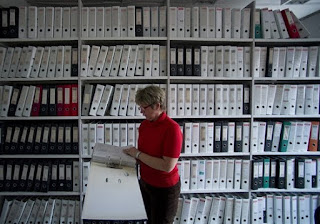
It isn't the 21st. century. New rules were born in the Parliament on 30th December only. The official newspaper has not appeared yet, but we must use it from 1st January. At the start of the year we need to count many statistics. It does not make much sense, but
there is a lot of work with them. Perhaps we will professionally work really from February.


There is one positive thing only: the reconstruction is finished. So everything’s nice and clean.
At the beginning of the year, there is huge administration. We have computers, but in vain, we have to write a lot of things manually. This is a lot of useless time. We need to keep records of our client, every year again. And we must print then and put in a separate folder on the shelf.

It isn't the 21st. century. New rules were born in the Parliament on 30th December only. The official newspaper has not appeared yet, but we must use it from 1st January. At the start of the year we need to count many statistics. It does not make much sense, but
there is a lot of work with them. Perhaps we will professionally work really from February.

2012. január 12.
Story of my battery

On Saturday I wanted to go shopping by car. I sat into the car, I was ready to go but there was a big silence. The engine didn’t start. The battery was run down. On Monday, I went to the mechanic, and I needed to buy another battery. But there was a problem. I didn’t know what kind of I have battery. On Tuesday morning I went to the car in the backyard, I took a sheet of paper and a pencil and I wrote down all the data. On Wednesday morning I gave the car keys to the mechanic and I went to work. After work I went to pay the bill and my car was all right already.

2012. január 10.
The history of the Eiffel Tower

The Eiffel Tower is a famous landmark in Paris. The Eiffel Tower is named after its main designer; the French metallic structure expert and engineer, Gustave Eiffel. What many people do not know is that the Eiffel Tower was originally planned to be constructed in Barcelona, for the Universal Exposition in 1888, but the people of Barcelona did not want it, saying that it was “too expensive and strange”. Instead, Eiffel tried to build the Eiffel Tower in Paris for the Universal Exposition in 1889 and this time the building was approved.

There were 107 bids submitted to construct the Eiffel Tower, 50 people worked on the design, and more than 100 built the parts. 132 workers assembled the parts on site. Construction began on January 28, 1887 and was concluded on March 31, 1889. When the tower was built, it was only meant to be kept for 20 years.

During its planning and construction phase, many protested against the construction of the Eiffel Tower. Even after its construction, the Eiffel Tower was highly controversial amongst the Parisians. One famous quote is from novelist Guy de Maupassant, who hated the tower but still went to its restaurant every day. When asked why, he said it was because it is the only place in Paris were one cannot see the structure. After the 20 years , the tower became the property of Paris again. By this time, the city had learned that the tower could be used to help with communications. The military used the tower to communicate during battle. The tower was used in the capture of the spy, "Mata Hari”.
The Eiffel Tower also experienced the German occupation of Paris during the Second World War. During the occupation, the lift cables inside the tower were cut by the French. This to make sure Hitler had to take the 1665 stepped stairs if he wanted to scale the top, since the proper parts to repair the lift were impossible to obtain during the war. When visiting Paris, Hitler remained on ground. That’s why it’s said Hitler conquered France, but he did not conquer the Eiffel tower. At the liberation of Paris in 1944, the Eiffel tower became a symbol of liberty when a French flag, made of three bed sheets sawn together, was raised on the top of tower.

So, as time passed, more and more people started to like the building. Today, almost all Parisians love the tower. The tower is without a doubt one of the most famous buildings in the world. If you plan to visit it, you won’t be the only one to see the tower, as it is the most visited paid monument in the world. An estimate of over 200 million people has seen the tower, on site, since its construction in 1889. Visiting Paris, but not the Eiffel Tower, is no visit at all.
GLOSSARY
landmark [ˈlændmɑːk] - feltűnő építmény, jelenség
to be named after [tə bi ˈneɪmd ˈɑːftə] - valaki után elnevezve lenni
metallic structure [mɪˈtælɪk ˈstrʌktʃ] - fém szerkezet
expert [ˈekspɜːt] - szakértő
to be constructed [tə bi kənˈstrʌktɪd] - megépítve lenni
instead [ɪnˈsted] - ehelyett
to be approved [tə bi əˈpruːvd] - jóváhagy
to submit a bid [tə səbˈmɪt ə bɪd] - ajánlatot előterjeszt
to assemble [tu əˈsembəl] - összegyűlik
to be concluded [tə bi kənˈkluːdɪd] - befejezésre kerül
construction phase [kənˈstrʌkʃən feɪz] - építkezési szakasz
to protest against [tə prəˈtest əˈɡenst] - tiltakozik valami ellen
highly controversial [ˈhaɪli ˌkɒntrəˈvɜːʃəl] - sokat vitatott
property of [ˈprɒpəti ɒv] - valakinek/valaminek a tulajdona
to learn something [tə lɜːn ˈsʌmθɪŋ] - megtud valamit
battle [ˈbætəl] - csata, harc
to capture [tə ˈkæptʃə] - elfog
spy [spaɪ] - kém
to experience [tu ɪkˈspɪərɪəns] - megél
occupation [ˌɒkjʊˈpeɪʃən] - valaminek az elfoglalása
cable [ˈkeɪbəl] - kábel
to scale the top [tə skeɪl ðə tɒp] - felmászik valaminek a tetejére
to obtain [tu əbˈteɪn] - megszerez
to remain on ground [tə rɪˈmeɪn ɒn ɡraʊnd] - földön marad
to conquer [tə ˈkɒŋkə] - meghódít, elfoglal
liberation [ˌlɪbəˈreɪʃən] - felszabadítása
bed sheet [bed ʃiːt] - lepedő
sawn together [sɔːn təˈɡeðə] - összevart
without doubt [wɪðˈaʊt daʊt] - kétség kívül
estimate [ˈestɪmeɪt] - becslés
2012. január 9.
The history of the Statue of Liberty

The Statue of Liberty, officially named Liberty Enlightening the World, is a monument symbolizing the United States, and is one of the most recognizable symbols in the world. It welcomes visitors, immigrants and returning Americans travelling by ship. For many years, it was one of the first glances of the United States for millions of immigrants and visitors after returning from ocean voyages.

A sculptor by the name of Frédéric Auguste Bartholdi designed the statue, and Gustave Eiffel (the man who designed the Eiffel Tower) was responsible for the iron framework underneath the copper plating. It is placed near the entrance to New York City harbor, on a small island known as Liberty Island.
The statue is of a woman with a book in one hand and a torch held high in her other hand. It stands on the top of a giant pedestal. The entire structure is 305 feet (93 m) tall from the ground to the tip of the torch. The statue is the central part of the Statue of Liberty National Monument, administered by the National Park Service. The National Monument also includes Ellis Island.

The Statue of Liberty commemorates the signing of the United States Declaration of Independence. It was given to the United States by the people of France, to represent the friendship between the two countries established during the American Revolution. It represents the political freedom for new immigrants to America, and is known around the world. The building project of the statue was sponsored by ordinary citizens of both countries, and it took a very long time to raise enough money to finish construction.

The construction of the statue began in Paris in 1875 and was not completed until 1884. Crews worked round the clock, seven days a week, for nine years to finish the Statue of Liberty. Various parts of the statue were on display throughout Paris as they were completed. When it was complete in 1885, the statue was broken down into 350 pieces – which were packed in 214 crates – and then shipped to New York City. It took 4 months just to put the Statue of Liberty back together again!
The Statue of Liberty was officially dedicated and unveiled on October 28, 1886. A million people attended the parade and other festivities that were held that day to celebrate the event.
In October 1924, the Statue of Liberty became a national monument, and in 1982 it was restored at a cost of $ 87 million. Two years later, in 1984, the monument was named a World Heritage Site by the United Nations.
GLOSSARY
to symbolize [tə ˈsɪmbəlaɪz] - szimbolizál
recognizable [ˈrekəɡnaɪzəbəl] - felismerhető
glance [ɡlɑːns] - pillantás
voyage [ˈvɔɪɪdʒ] - hajóút
sculptor [ˈskʌlptə] - szobrász
to design [tə dɪˈzaɪn] - tervez
responsible for [rɪˈspɒnsəbəl fɔː] - felelős valamiért
iron framework [ˈaɪən ˈfreɪmwɜːk] - vas szerkezet
underneath [ˌʌndəˈniːθ] - alatt
copper plating [ˈkɒpə ˈpleɪtɪŋ] - réz bevonat
to be placed [tə bi ˈpleɪst] - el van helyezve
torch [tɔːtʃ] - fáklya
held high [held haɪ] - magasra tartott
pedestal [ˈpedɪstəl] - talapzat
structure [ˈstrʌktʃə] - szerkezet
tip [tɪp] - valaminek a csúcsa
to be administered [tə bi ədˈmɪnɪstəd] - igazgat, intéz
to include [tə ɪnˈkluːd] - magába foglal
to commemorate [tə kəˈmeməreɪt] - megemlékezik
signing of ... [ˈsaɪnɪŋ ɒv... ] - valaminek az aláírása
Declaration of Independence [ˌdekləˈreɪʃən əv ˌɪndɪˈpendəns] - Függetlenségi Nyilatkozat
to represent [təˌriːprɪˈzent] - képvisel
to be established [tə bi ɪˈstæblɪʃt] - létre van hozva
to be sponsored by [tə bi ˈspɒnsəd baɪ] - fizetve, szponzorálva , támogatva lenni
ordinary [ˈɔːdɪnri] - átlagos
to raise money [tə reɪz ˈmʌni] - pénzt gyűjteni
construction [kənˈstrʌkʃən] - építés, építkezés
to be completed [tə bi kəmˈpliːtɪd] - befejezve lenni
crew [kruː] - brigád
round the clock [raʊnd ðə ˈklɒk] - napi 24 órában
various [ˈveərɪəs] - különböző
to be on display [tə bi ɒn dɪˈspleɪ] - kiállítva lenni
to be broken down into ... [tə bi ˈbrəʊkən daʊn ˈɪntə... ] - ... részre törve lenni
crate [kreɪt] - láda
to ship [tə ʃɪp] - szállít
to put back together [tə ˈpʊt bæk təˈɡeðə] - újra összetesz
to be dedicated [tə bi ˈdedɪkeɪtɪd] - felszentelve lenni
to be unveiled [tə bi ˌʌnˈveɪld] - leleplezve lenni
to attend [tu əˈtend] - részt vesz valamin
festivity [feˈstɪvɪti] - ünnepség
to celebrate [tə ˈselɪbreɪt] - ünnepel
event [ɪˈvent] - esemény
to be restored [tə bi rɪˈstɔːd] - felújít, helyreállít
2012. január 2.
Talking about people's appearance
People come in different sizes and shapes, so there are plenty of ways to talk about physical appearance.
AGE
My grandmother is quite old,in fact, she is an old age pensioner (she has a pension) or a senior citizen.
My mother is 55, she is middle-aged.
My sister is 24, she is a young adult.
My brother is only 17, he is teenager.
The boy in the middle is 2 years old, he is toddler.
The baby is around 5 months old.
Vocabulary
toddler - kisded
BUILD
As we've said before, people are built in all shapes and sizes. There are those who are fat and overweight. Some people are extremely overweight and are obese. Other people are naturally slim, but others look have absolutely no fat on them and are thin, or skinny.
Personally, I am stocky-small, but well-built.
My father is tall and lean - with very little fat.
My sister is short, but wiry - she is quite thin, but muscular.
Both my brothers are athletic and well-proportioned.
My mother loooks like a 1940's film star. She is curbaceous, with an hour-glass figure.
My grandfather is fit for his age and takes plenty of exercise. He doesn't want all his muscles to get flabby.
Vocabulary
stocky - köpcös, zömök
well-built - erős testalkatú
tall - magas
lean - sovány
wiry - izmos, szívós
well-proportioned - arányos testalkatú
curvaceous - gömbölyded
hour-glass figure - homokóra alakú
flabby - petyhüdt
COLOURING
My sister has fair hair and fair skin. She doesn't tan easily and has to be careful in the sun.
My mother is blonde, also with a fair complexion.
I am a read-head - with red hair. Like many other people with a pale complexion. I get freckles from the sun - small brown dots on my face and arms.
In contrast, my father has dark-brown hair and he is quite dark-skinned.
Vocabulary
fair hair - világos haj
fair skin - világos bőr
to tan easily - könnyen lebarnul
fair complexion - világos bőrű és hajú
red-head - vörös hajú
FACE
Faces, like build, vary a lot. Some people have oval faces - their foreheads are much wider than their chins. Other people have heart-shaped, square or round faces. Features also vary.
My grandfather has bushy eyebrows, a hooked nose and high cheekbones.
My mother has a broad nose, but she is lucky to have even or regular teeth.
My sister corrected her crooked teeth by wearing a brace which straightened them. She has rosy cheeks, small ears and a snub nose, which goes up at the end.
I have long, curly hair, though my sister is the opposite, with short, straight hair. Her hair is fine and doesn't weigh very much, but mine is thick and heavy.
My mozher's hair is wavy - in between straight and curly. It's cut in a bob and she also has a short fringe, where it is cut horizontally across her forehead.
My father is losing his hair - in fact he is going bald, which makes him very sad.
Vocabulary
pale - sápadt
freckles - szeplő
forehead - homlok
chin - áll
heart-shaped - szív alakú
square face - négyszögletes arcforma
round face - kerek arc
bushy eyebrows - bozontos szemöldök
hooked nose - horgas orr
high cheekbones - magas arccsont
snub nose - pisze orr
bob - bubifrizura
fringe - frufru
AGE
My grandmother is quite old,in fact, she is an old age pensioner (she has a pension) or a senior citizen.
My mother is 55, she is middle-aged.
My sister is 24, she is a young adult.
My brother is only 17, he is teenager.
The boy in the middle is 2 years old, he is toddler.
The baby is around 5 months old.
Vocabulary
toddler - kisded
BUILD
As we've said before, people are built in all shapes and sizes. There are those who are fat and overweight. Some people are extremely overweight and are obese. Other people are naturally slim, but others look have absolutely no fat on them and are thin, or skinny.
Personally, I am stocky-small, but well-built.
My father is tall and lean - with very little fat.
My sister is short, but wiry - she is quite thin, but muscular.
Both my brothers are athletic and well-proportioned.
My mother loooks like a 1940's film star. She is curbaceous, with an hour-glass figure.
My grandfather is fit for his age and takes plenty of exercise. He doesn't want all his muscles to get flabby.
Vocabulary
stocky - köpcös, zömök
well-built - erős testalkatú
tall - magas
lean - sovány
wiry - izmos, szívós
well-proportioned - arányos testalkatú
curvaceous - gömbölyded
hour-glass figure - homokóra alakú
flabby - petyhüdt
COLOURING
My sister has fair hair and fair skin. She doesn't tan easily and has to be careful in the sun.
My mother is blonde, also with a fair complexion.
I am a read-head - with red hair. Like many other people with a pale complexion. I get freckles from the sun - small brown dots on my face and arms.
In contrast, my father has dark-brown hair and he is quite dark-skinned.
Vocabulary
fair hair - világos haj
fair skin - világos bőr
to tan easily - könnyen lebarnul
fair complexion - világos bőrű és hajú
red-head - vörös hajú
FACE
Faces, like build, vary a lot. Some people have oval faces - their foreheads are much wider than their chins. Other people have heart-shaped, square or round faces. Features also vary.
My grandfather has bushy eyebrows, a hooked nose and high cheekbones.
My mother has a broad nose, but she is lucky to have even or regular teeth.
My sister corrected her crooked teeth by wearing a brace which straightened them. She has rosy cheeks, small ears and a snub nose, which goes up at the end.
I have long, curly hair, though my sister is the opposite, with short, straight hair. Her hair is fine and doesn't weigh very much, but mine is thick and heavy.
My mozher's hair is wavy - in between straight and curly. It's cut in a bob and she also has a short fringe, where it is cut horizontally across her forehead.
My father is losing his hair - in fact he is going bald, which makes him very sad.
Vocabulary
pale - sápadt
freckles - szeplő
forehead - homlok
chin - áll
heart-shaped - szív alakú
square face - négyszögletes arcforma
round face - kerek arc
bushy eyebrows - bozontos szemöldök
hooked nose - horgas orr
high cheekbones - magas arccsont
snub nose - pisze orr
bob - bubifrizura
fringe - frufru
Feliratkozás:
Bejegyzések (Atom)