Gregory: Hello!
Katie: Hi, is this Gregory?
Gregory: Yes.
Katie: It’s Katie here. Is Martha at home?
Gregory: No, she left a few minutes ago. Can I take a message?
Katie: Yes, thanks. I wanted to ask her to meet me at Cinepoint Movies at 8 pm tonight.
Gregory: Sure. Just let me write that down. Could you hold on for a second? I have to answer another call.
Katie: No problem.
Gregory: Sorry about that. I am here again. Now, could you please repeat that information? Now I have a pen, too.
Katie: It’s the Cinepoint Movies at 8 pm tonight.
Gregory: Okay. Is there anything else?
Katie: No. That’s it. Thank you! Bye!
Gregory: Bye!
USEFUL PHRASES
Can I take a message? - Átvehetek egy üzenetet?
Just let me write that down. - Engedje meg, hogy leírjam.
Could you hold for a second? - Tudná tartani egy pillanatra?
I have to answer another call. - Fel kell vennem egy másik hívást.
Could you please repeat that information? - Meg tudná ismételni ezt az információt?
2012. január 31.

2012. január 30.
Making an appointment

Health Care Centre: Thank you for calling Medipoint Healthcare Centre. How can I help you?

Emily: Hello. Emily Woods calling. I have a terrible headache and I wonder if Dr Brinkman has some time to see me this afternoon.

Health Care Centre: I’m sorry Ms Woods but Dr Brinkman is booked for this afternoon. Can I put you in for 2 pm tomorrow? How does that sound?

Emily: That would be fine.
Health Care Centre: I’ll have to give you the address of our new office.
Emily: Oh, that’s right. You moved your office last month.
Health Care Centre: Yes, we moved downtown. Do you have a pen?

Emily: Could you hold on a second? Okay, go ahead.
Health Care Centre: Okay, we are at 327 Balkan Avenue. The office is on the ground floor.
Emily: Thank you. I’ll see you tomorrow then.
Health Care Centre: Thank you for calling. See you tomorrow.
Emily: Thank you. Bye!
USEFUL PHRASES
Thank you for calling Health Care Centre.
Köszönjük, hogy a Health Care Központot hívta!
How can I help you?
Miben segíthetek?
Hello. Emily Woods calling.
Hello. Itt Emily Woods beszél.
I have a terrible headache
Szörnyű fejfájásom van
and I wonder if Dr Brinkman has some time to see me this afternoon.
és szeretném tudni, hogy Dr Brinkman tudna-e fogadni ma délután.
I’m sorry Ms Woods but Dr Brinkman is booked for this afternoon.
Sajnálom Ms Woods, de Dr Brinkman teljesen be van táblázva ma délutánra.
Can I put you in for 2 pm tomorrow?
Holnap délután 2 óra megfelelő lenne Önnek? (szó szerint: Holnap délután 2 órára betehetem?)
How does that sound?
Ez hogy hangzik?
That would be fine.
Az jó lenne.
I’ll have to give you the address of our new office.
Meg kell, hogy adjam az új irodánk címét.
Oh, that’s right.
Oh, így van.
You moved your office last month.
Múlt hónapban elköltözött az irodájuk.
Yes, we moved downtown.
Igen, a belvárosba költöztünk.
Do you have a pen?
Van tolla?
Could you hold on a second?
Tudná tartan egy pillanatra?
Okay, go ahead.
Rendben, mondhatja.
Okay, we are at 327 Balkan Avenue.
Rendben, a Balkan Avenue 327 szám alatt vagyunk.
The office is on the ground floor.
Az iroda a földszinten van.
Thank you.
Köszönöm.
I’ll see you tomorrow then.
Holnap találkozunk akkor.
Thank you for calling.
Köszönjük a hívását.
See you tomorrow.
A holnapi viszontlátásra.
Bye! - Viszontlátásra!
2012. január 25.
Short story of the Titanic

On April 15, 1912, one of the deadliest maritime disaster in history occurred. At 2:45 am on April 15; 5 days after its original departure from Liverpool, England,

the Titanic struck a large iceberg in the Atlantic Ocean. The ship Titanic was the second in a three ship set; the Olympic, Titanic, and Britannica. She was 300 yards long, and weighed several hundreds of thousands of pounds. The great ship, made mostly of metal, was thought to be unsinkable.

Then the impossible happened. Captain Edward John Smith had altered the Titanic’s course slightly to the south, hoping to avoid the icefields that had been spotted and reported by other ships. Unfortunately, the change in course didn’t help much. In the late hours of April 14, the Titanic collided with a large iceberg.

Upon striking the berg, the Titanic's flood compartments, made for just such an occasion, began to fill with water. The titanic could have stayed afloat if only 4 of the compartments were flooded, but the water quickly filled 6, making the bow sink slowly into the 28 °F degree (-2° Celsius degree) water. Many passengers were actually spotted playing soccer with the chunks of ice, unaware of the danger posed to them.

There wasn’t a rush to get into the lifeboats at first, because passengers would rather stay on the warm ship, than go out into the cold and the unknown of the sea in a small boat. The first of the 20 lifeboats simply left with 28 people aboard, although they were designed to hold 65 passengers.

When the danger became apparent, 3rd class passengers were locked down into their 3rd class area, unable to escape to the safety of a lifeboat. 1st and 2nd class passengers got to the lifeboats quicker and easier, because they had boats on their decks. The stewards and stewardesses didn’t lock the 3rd class passengers because they wanted them to die. They locked them until they were given orders. Once the orders were given to let the women and children out first and not let any men out, they unlocked the doors, but had a hard time getting just the women and children out. Desperate men actually dressed as women so they would be allowed to enter a lifeboat. There are undisclosed rumors, still to this day, that say the Titanic's crew shot passengers who wanted a lifeboat. The lifeboats were picked up by the Carpathia.

This is where the Titanic's journey ends. She soon went down "head-first" into the icy depths. Hundreds perished that night, men, women, children, even dogs. One of the passengers describes the ride down with the sinking ship "like an elevator ride". The survivors recall that there were so many dead, they could hardly row through the bodies. Out of the 1523 people in the water, 7 were found alive. Out of the 2228 passengers aboard the ship only 705 survived. All of the men in the engine room died.

On April 17, 1912 the 705 survivors finally reached their destination of New York City.
The Carpathia arrived at 9:35 p.m. and started to unload the survivors. Interviewers swarmed the passengers asking them what had happened. All of them agreed that their lives would never be the same again.
maritime disaster – tengeri katasztrófa
to occur – megesik, megtörténik
to strike, struck, struck - ütődik
unsinkable - elsüllyeszthetetlen
to alter – megváltozat
course - útvonal
slightly - enyhén
to avoid – elkerül, kikerül
to be spotted – észre véve lenni
to be reported – jelentve lenni
to collide with – összeütközik valamivel
compartment - rekesz
to stay afloat – tengeren/vízen maradni
bow – hajó orra
to sink - elsüllyed
chunk of ice – nagy jég darab
unaware of … - nincs tudatában annak, hogy …
rush – rohanás, sietség
lifeboat - mentőcsónak
aboard - fedélzeten
to become apparent – nyilvánvalóvá válik
to be locked down into – bezárva lenni valahova
to be unable to escape – nem képes elmenekülni
deck - fedélzet
to be given orders – utasítást/parancsot kap
to have a hard time doing something – nehéz dolga van
desperate - kétségbeesett
to dress as a woman – nőnek öltözött
to be allowed to - meg van engedve, hogy …
crew - legénység
to be picked up by - felvéve lenni valaki által
icy depth – jeges mélység
to perish – elpusztul, elvész
to describe - leír
to recall - felidéz
to row through - átevez
2012. január 22.
Christmas and New Year
Unfortunately, my kids could not come home now. On Christmas day I was at my old schoolmate’s, (she's called Panni ) in Sződliget. I went at noon and I came back late at night. There was a beautiful Christmas tree decorated very nicely. We drank fine wines and ate stuffed cabbage, fried fish and lots of cakes. Panni has a grandchild, who saw a Christmas tree first time. He’s 6 months old.
After Christmas we had two trips. On Tuesday we went to Star Hill (Csillaghegy) by suburban train. From here we climbed up to the Fox Hill (Rókahegy). From here there is a nice view onto Budapest, but the weather was very humid now. On Friday we went to Dobogókő by bus. On top of the hill it was very cold and snowy. We walked down 12 kms on foot and we came home by another bus.
During the week I worked on my family tree. My brother sent a lot of old data and photos by email, I had to organize them. I found a new relatives again. We will meet in person in January. My brother will fly from America to Budapest in January, too.
One day I visited my female friend in Sülysáp. Her mother is sick and she can't go anywhere, so she’s always happy if someone visits her.
New Year’s Eve I was home and had a good rest. I don't like the noisy holidays.
On 1th January I was on a New Year's concert : Mága Zoltán and his friends. It was very
spectacular and I listened to a lot of good music.
I was almost 10 days off work, but it went by very fast. I read books and listened to music a lot, It was busy in the kitchen.
My first working day was on Tuesday. This day was a hard day. I was sleepy and I had a sore throat. The time passed very slowly. The beginning of the year will be difficult, generally I have a lot of work. I need to learn the changed rules and I have a lot of
administration.
After Christmas we had two trips. On Tuesday we went to Star Hill (Csillaghegy) by suburban train. From here we climbed up to the Fox Hill (Rókahegy). From here there is a nice view onto Budapest, but the weather was very humid now. On Friday we went to Dobogókő by bus. On top of the hill it was very cold and snowy. We walked down 12 kms on foot and we came home by another bus.
During the week I worked on my family tree. My brother sent a lot of old data and photos by email, I had to organize them. I found a new relatives again. We will meet in person in January. My brother will fly from America to Budapest in January, too.
One day I visited my female friend in Sülysáp. Her mother is sick and she can't go anywhere, so she’s always happy if someone visits her.
New Year’s Eve I was home and had a good rest. I don't like the noisy holidays.
On 1th January I was on a New Year's concert : Mága Zoltán and his friends. It was very
spectacular and I listened to a lot of good music.
I was almost 10 days off work, but it went by very fast. I read books and listened to music a lot, It was busy in the kitchen.
My first working day was on Tuesday. This day was a hard day. I was sleepy and I had a sore throat. The time passed very slowly. The beginning of the year will be difficult, generally I have a lot of work. I need to learn the changed rules and I have a lot of
administration.
2012. január 21.
I wish = If only
az I WISH helyett használhatod az IF ONLY kifejezést is, mert ez ugyanazt jelenti.
I wish I was more patient.= If only I was more patient.= Bárcsak türelmesebb lennék.
I wish I could ride a bicycle.= If only I could ride a bicycle. = Bárcsak tudnék biciklizni.
I wish he would study for his exams.= If only he would study for his exams. = Bárcsak tanulna a vizsgáira.
I wish I hadn't shouted at Ann yesterday. = If only I hadn't shouted at Ann yesterday. = Bárcsak nem kiabáltam volna rá Ann-re tegnap.
AQUA: TURN BACK TIME
to reason - érvel
to think sth through - átgondol
to remind - emlékeztet
strenght - erő
to face - szembenéz vmivel
to turn back time - visszafordítani az időt
to hide - elbújik, elbújtat, elrejt
to claim right to sth - követeli a jogát vmihez
pang - fájdalom, kín
conscience - lelkiismeret
to drill a hole - lyukat fúrni
flash - villanás, vaku
I wish I was more patient.= If only I was more patient.= Bárcsak türelmesebb lennék.
I wish I could ride a bicycle.= If only I could ride a bicycle. = Bárcsak tudnék biciklizni.
I wish he would study for his exams.= If only he would study for his exams. = Bárcsak tanulna a vizsgáira.
I wish I hadn't shouted at Ann yesterday. = If only I hadn't shouted at Ann yesterday. = Bárcsak nem kiabáltam volna rá Ann-re tegnap.
AQUA: TURN BACK TIME
to reason - érvel
to think sth through - átgondol
to remind - emlékeztet
strenght - erő
to face - szembenéz vmivel
to turn back time - visszafordítani az időt
to hide - elbújik, elbújtat, elrejt
to claim right to sth - követeli a jogát vmihez
pang - fájdalom, kín
conscience - lelkiismeret
to drill a hole - lyukat fúrni
flash - villanás, vaku
2012. január 20.

2012. január 17.
I wish..... 2.
Az első részben tanult szerkezet jelen idejű kívánságra vonatkozott. Ha logikusan belegondolsz, múlt ideje csak az "I wish...+múlt idő" szerkezetnek lehet, hiszen múlt időben nem tudunk olyan dologról beszélni, ami még bekövetkezhet...
Jelen: I wish I was younger. - Bárcsak fiatalabb lennék.
Múlt: I wish I had been younger. - Bárcsak fiatalabb lettem volna.
Jelen: I wish she came earlier. - Bárcsak hamarabb jönne.
Múlt: I wish she had come earlier. - Bárcsak korábban jött volna.
Jelen: I wish my dog had a puppy. - Bárcsak lenne kölyke a kutyámnak.
Múlt: I wish my dog had had a puppy. - Bárcsak lett volna egy kölyke a kutyámnak.
Úgy csinálsz múlt időt a jelenből, hogy az igét Past Perfect Simple-be teszed.
You are leaving for the USA, but you can't find your passport.
I wish I could find my passport.
Sam kórházba került, és a következők járnak a fejében:
I had an argument with my girlfriend yesterday. I got upset, and left home. I was driving too fast and I had an accident. Unfortunately I can't control my temper. My girlfriend is angry, and won't come and visit me. My leg hurts so much! The nurse is so grumpy, I want to go home!
ROXETTE: I WISH I COULD FLY
Halfway through the night
I wake up in a dream
Echoes in my head
Make every whisper turn into a scream
I dreamed I could fly
Out in the blue
Over this town
Following you
Over the trees
Subways and cars
I'd try to find out
Who you really are
In the middle of the night
Cool sweatin' in my bed
Got the windows open wide
Thinkin' about all the things you said
I wish I could fly
Out in the blue
Over this town
Following you
I'd fly over rooftops
The great boulevards
To try to find out
Who you really are
Who you really are
I wish I could fly now
Wish I could fly now
Wish I could fly now
I wish I could fly
Around and around
Over this town
The dirt on the ground
I'd follow your course
Of doors left ajar
To try to find out
Who you really are
To try to find out
Who you really are
Vocabulary:
echo – visszhang
whisper – suttogás
scream – sikoly
to turn sth into sth - vmit vmivé változtat
to sweat – izzad
ajar - félig nyitott
to find out – megtud
Jelen: I wish I was younger. - Bárcsak fiatalabb lennék.
Múlt: I wish I had been younger. - Bárcsak fiatalabb lettem volna.
Jelen: I wish she came earlier. - Bárcsak hamarabb jönne.
Múlt: I wish she had come earlier. - Bárcsak korábban jött volna.
Jelen: I wish my dog had a puppy. - Bárcsak lenne kölyke a kutyámnak.
Múlt: I wish my dog had had a puppy. - Bárcsak lett volna egy kölyke a kutyámnak.
Úgy csinálsz múlt időt a jelenből, hogy az igét Past Perfect Simple-be teszed.
You are leaving for the USA, but you can't find your passport.
I wish I could find my passport.
Sam kórházba került, és a következők járnak a fejében:
I had an argument with my girlfriend yesterday. I got upset, and left home. I was driving too fast and I had an accident. Unfortunately I can't control my temper. My girlfriend is angry, and won't come and visit me. My leg hurts so much! The nurse is so grumpy, I want to go home!
ROXETTE: I WISH I COULD FLY
Halfway through the night
I wake up in a dream
Echoes in my head
Make every whisper turn into a scream
I dreamed I could fly
Out in the blue
Over this town
Following you
Over the trees
Subways and cars
I'd try to find out
Who you really are
In the middle of the night
Cool sweatin' in my bed
Got the windows open wide
Thinkin' about all the things you said
I wish I could fly
Out in the blue
Over this town
Following you
I'd fly over rooftops
The great boulevards
To try to find out
Who you really are
Who you really are
I wish I could fly now
Wish I could fly now
Wish I could fly now
I wish I could fly
Around and around
Over this town
The dirt on the ground
I'd follow your course
Of doors left ajar
To try to find out
Who you really are
To try to find out
Who you really are
Vocabulary:
echo – visszhang
whisper – suttogás
scream – sikoly
to turn sth into sth - vmit vmivé változtat
to sweat – izzad
ajar - félig nyitott
to find out – megtud
2012. január 16.
I wish .....
Az I wish azt jelenti, hogy bárcsak, tehát egy kívánságot tudsz vele kifejezni.
I WISH YOU WERE HERE - bárcsak itt lennél.
Az I wish után a jelenre vonatkozó ige (te itt lennél) múlt időben (Past Simple-ben) van angolul!
Nézzünk még egy-két ilyen példát:
I WISH I WAS YOUNGER. - Bárcsak fiatalabb lennék.
I WISH SHE CAME EARLIER. - Bárcsak hamarabb jönne.
I WISH MY DOG HAD A PUPPY. - Bárcsak lenne kölyke a kutyámnak.
Természetesen használhatunk tagadást is:
I WISH I WASN'T SO OLD. - Bárcsak ne lennék ennyire öreg.
I WISH SHE DIDN'T GO HOME. - Bárcsak ne menne haza.
Tehát az ilyen I wish ...+ múlt idő mondatokat olyan jelenbeli helyzetekre használjuk, amelyekkel nem vagyunk megelégedve, de jelen pillanatban ezen nem tudunk, nem lehet változtatni.
Van ennek még egy típusa, amikor szintén egy olyan jelenbeli helyzetről beszélünk, amivel nem vagyunk megelégedve, és azt akarjuk, hogy valami változás történjen végre, valaki csináljon már valamit. Ilyenkor az előző (reménytelen) esettel ellentétben az I wish után nem múlt időt használunk, hanem would+ige első alakja szerkezetet.
I WISH IT WOULD STOP RAINING. - Bárcsak elállna az eső. (Meg van az esélye, hogy eláll.)
I WISH I WOULD BE IN AUSTRALIA. - Bárcsak Ausztráliában lennék. (Változást akarok, és az be is következhet.) Ezzel szemben, ha azt mondanám, hogy:
I WISH I WAS IN AUSTRALIA. - a jelentése a mondatnak ugyanaz lesz, de itt nincs valós esélye annak, hogy ez bekövetkezhet. (Pl: nincs is útlevelem, nincs rá pénzem, stb.)
Wish you were here
Me oh my countryman
Wish you were here
Wish you were here
Don't you know the stove is
Getting colder
And I miss you like hell
And I'm feeling blue
Wish you were here
Me oh my countryman
Wish you were here
Wish you were here
Don't you know the stove is
Getting colder
And I miss you like hell
And I'm feeling blue
I've got feelings for you babe
Do you still feel the same
From the first time I laid my
Eyes on you
I felt joy of livin
I saw heaven in your eyes
In your eyes
Wish you were here
Me oh my countryman
Wish you where here (I wish you were here)
Wish you were here
Don't you know the stove is
Getting colder
And I miss you like hell
And I'm feeling blue
I miss your laugh I miss
Your smile
I miss everything about you
Every second's like a minute
Every minute's like a day
When you're far away
Wish you were here
The stove is getting colder baby
I wish you were here
Wish you were here
A battlefield of love and fear
And I wish you were here
I've got feelings for you babe
Do you still feel the same
From the first time I laid my
Eyes on you
Wish you were here
Me oh my countryman
Wish you where here (I wish you were here)
Wish you were here
Don't you know the stove is
Getting colder
And I miss you like hell
And I'm feeling blue
I WISH YOU WERE HERE - bárcsak itt lennél.
Az I wish után a jelenre vonatkozó ige (te itt lennél) múlt időben (Past Simple-ben) van angolul!
Nézzünk még egy-két ilyen példát:
I WISH I WAS YOUNGER. - Bárcsak fiatalabb lennék.
I WISH SHE CAME EARLIER. - Bárcsak hamarabb jönne.
I WISH MY DOG HAD A PUPPY. - Bárcsak lenne kölyke a kutyámnak.
Természetesen használhatunk tagadást is:
I WISH I WASN'T SO OLD. - Bárcsak ne lennék ennyire öreg.
I WISH SHE DIDN'T GO HOME. - Bárcsak ne menne haza.
Tehát az ilyen I wish ...+ múlt idő mondatokat olyan jelenbeli helyzetekre használjuk, amelyekkel nem vagyunk megelégedve, de jelen pillanatban ezen nem tudunk, nem lehet változtatni.
Van ennek még egy típusa, amikor szintén egy olyan jelenbeli helyzetről beszélünk, amivel nem vagyunk megelégedve, és azt akarjuk, hogy valami változás történjen végre, valaki csináljon már valamit. Ilyenkor az előző (reménytelen) esettel ellentétben az I wish után nem múlt időt használunk, hanem would+ige első alakja szerkezetet.
I WISH IT WOULD STOP RAINING. - Bárcsak elállna az eső. (Meg van az esélye, hogy eláll.)
I WISH I WOULD BE IN AUSTRALIA. - Bárcsak Ausztráliában lennék. (Változást akarok, és az be is következhet.) Ezzel szemben, ha azt mondanám, hogy:
I WISH I WAS IN AUSTRALIA. - a jelentése a mondatnak ugyanaz lesz, de itt nincs valós esélye annak, hogy ez bekövetkezhet. (Pl: nincs is útlevelem, nincs rá pénzem, stb.)
Wish you were here
Me oh my countryman
Wish you were here
Wish you were here
Don't you know the stove is
Getting colder
And I miss you like hell
And I'm feeling blue
Wish you were here
Me oh my countryman
Wish you were here
Wish you were here
Don't you know the stove is
Getting colder
And I miss you like hell
And I'm feeling blue
I've got feelings for you babe
Do you still feel the same
From the first time I laid my
Eyes on you
I felt joy of livin
I saw heaven in your eyes
In your eyes
Wish you were here
Me oh my countryman
Wish you where here (I wish you were here)
Wish you were here
Don't you know the stove is
Getting colder
And I miss you like hell
And I'm feeling blue
I miss your laugh I miss
Your smile
I miss everything about you
Every second's like a minute
Every minute's like a day
When you're far away
Wish you were here
The stove is getting colder baby
I wish you were here
Wish you were here
A battlefield of love and fear
And I wish you were here
I've got feelings for you babe
Do you still feel the same
From the first time I laid my
Eyes on you
Wish you were here
Me oh my countryman
Wish you where here (I wish you were here)
Wish you were here
Don't you know the stove is
Getting colder
And I miss you like hell
And I'm feeling blue
2012. január 14.
The Leaning Tower of Pisa
The Leaning Tower of Pisa is a building in Pisa, Italy. It is a bell tower. The circular bell tower stands next to Pisa’s cathedral. It is famous because it leans to one side, and it looks like it might fall over. Over the years, the tower became a symbol of Italy and an important tourist attraction.

By 1990, the top floor leaned 17 feet (520 cm) to the south. Several attempts were made to straighten the tower, but some of them made the situation even worse. A lot of restoration work has been done so far to stop it from falling over completely.The height of the tower is about 55 metres from the ground. Its weight is about 14,500 tonnes. It now leans at about 3.99 degrees. The tower has 294 steps leading to 7 bells at the top. The outside of the tower is decorated with arches and columns.
The construction of the tower began in 1173. After the third floor was built in 1178, the tower started to lean, due to having a small three-meter foundation in soft soil. The design of the tower was bad from the beginning. Shortly afterwards, constructions had to stop and didn’t continue until 1275 because Pisa was at war. Then the next three floors were built even with the ground to try to correct the lean. When they were finished, the tower leaned to the south. Finally, the last two floors were added in 1350.

During the long building delays, the tower’s weight compresses the ground under it, which strengthened its base enough to keep it from falling, even though it still leaned a bit more each year. The tower actually leans because it’s too heavy for the ground it is built on. The uneven layers of sand and clay beneath it have caused the tower to sink more in certain places.
In 1990, the Italian government closed the tower to the public and began a 10-year effort to stabilize the situation. A group of international experts tried different solutions, but nothing worked. Then, in 1999, a British engineering professor found a solution to the problem. The soil was removed slowly from the high side, so that the tower could settle back into the ground. This proved to be successful and by 2001 the tower was 16 inches (40 cm) straighter. The building is said to be safe for at least for another 300 years. The tower re-opened to the public in June 2001.
bell tower [bel ˈtaʊə] - harangtorony
circular [ˈsɜːkjʊlə] - kör alakú
to lean - [tə liːn] dől
attempt [əˈtempt] - kísérlet
to straighten [tə ˈstreɪtən] - megerősít
restoration [ˌrestəˈreɪʃən] - felújítás, visszaállítás
to fall over [tə fɔːl ˈəʊvə] - felborul
to lead to [tə liːd tuː] - valamihez vezet
outside of [ˌaʊtˈsaɪd ɒv] - valaminek a külseje
arch [ɑːtʃ] - boltív
column [ˈkɒləm] - oszlop
construction [kənˈstrʌkʃən] - építkezés
soft soil [sɒft sɔɪl] - puha talaj
shortly afterwards [ˈʃɔːtli ˈɑːftəwədz] - nem sokkal később
delay [dɪˈleɪ] - késleltetés
to compress [tə kəmˈpres] - összenyom, összeprésel
ground [ɡraʊnd] - föld, talaj
to strengthen [tə ˈstreŋθən] - megerősít
uneven [ʌnˈiːvən] - egyenetlen
layer [ˈleɪə] - réteg
clay [kleɪ] - agyag
beneath [bɪˈniːθ] - alatt
effort [ˈefət] - erőfeszítés
expert [ˈekspɜːt] - szakember

By 1990, the top floor leaned 17 feet (520 cm) to the south. Several attempts were made to straighten the tower, but some of them made the situation even worse. A lot of restoration work has been done so far to stop it from falling over completely.The height of the tower is about 55 metres from the ground. Its weight is about 14,500 tonnes. It now leans at about 3.99 degrees. The tower has 294 steps leading to 7 bells at the top. The outside of the tower is decorated with arches and columns.
The construction of the tower began in 1173. After the third floor was built in 1178, the tower started to lean, due to having a small three-meter foundation in soft soil. The design of the tower was bad from the beginning. Shortly afterwards, constructions had to stop and didn’t continue until 1275 because Pisa was at war. Then the next three floors were built even with the ground to try to correct the lean. When they were finished, the tower leaned to the south. Finally, the last two floors were added in 1350.

During the long building delays, the tower’s weight compresses the ground under it, which strengthened its base enough to keep it from falling, even though it still leaned a bit more each year. The tower actually leans because it’s too heavy for the ground it is built on. The uneven layers of sand and clay beneath it have caused the tower to sink more in certain places.
In 1990, the Italian government closed the tower to the public and began a 10-year effort to stabilize the situation. A group of international experts tried different solutions, but nothing worked. Then, in 1999, a British engineering professor found a solution to the problem. The soil was removed slowly from the high side, so that the tower could settle back into the ground. This proved to be successful and by 2001 the tower was 16 inches (40 cm) straighter. The building is said to be safe for at least for another 300 years. The tower re-opened to the public in June 2001.
bell tower [bel ˈtaʊə] - harangtorony
circular [ˈsɜːkjʊlə] - kör alakú
to lean - [tə liːn] dől
attempt [əˈtempt] - kísérlet
to straighten [tə ˈstreɪtən] - megerősít
restoration [ˌrestəˈreɪʃən] - felújítás, visszaállítás
to fall over [tə fɔːl ˈəʊvə] - felborul
to lead to [tə liːd tuː] - valamihez vezet
outside of [ˌaʊtˈsaɪd ɒv] - valaminek a külseje
arch [ɑːtʃ] - boltív
column [ˈkɒləm] - oszlop
construction [kənˈstrʌkʃən] - építkezés
soft soil [sɒft sɔɪl] - puha talaj
shortly afterwards [ˈʃɔːtli ˈɑːftəwədz] - nem sokkal később
delay [dɪˈleɪ] - késleltetés
to compress [tə kəmˈpres] - összenyom, összeprésel
ground [ɡraʊnd] - föld, talaj
to strengthen [tə ˈstreŋθən] - megerősít
uneven [ʌnˈiːvən] - egyenetlen
layer [ˈleɪə] - réteg
clay [kleɪ] - agyag
beneath [bɪˈniːθ] - alatt
effort [ˈefət] - erőfeszítés
expert [ˈekspɜːt] - szakember
Start in January
The start of the year is crazy on my workplace, as always.

There is one positive thing only: the reconstruction is finished. So everything’s nice and clean.
At the beginning of the year, there is huge administration. We have computers, but in vain, we have to write a lot of things manually. This is a lot of useless time. We need to keep records of our client, every year again. And we must print then and put in a separate folder on the shelf.
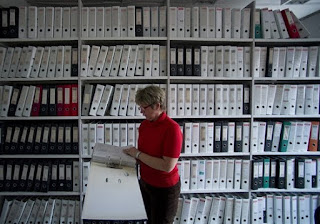
It isn't the 21st. century. New rules were born in the Parliament on 30th December only. The official newspaper has not appeared yet, but we must use it from 1st January. At the start of the year we need to count many statistics. It does not make much sense, but
there is a lot of work with them. Perhaps we will professionally work really from February.


There is one positive thing only: the reconstruction is finished. So everything’s nice and clean.
At the beginning of the year, there is huge administration. We have computers, but in vain, we have to write a lot of things manually. This is a lot of useless time. We need to keep records of our client, every year again. And we must print then and put in a separate folder on the shelf.

It isn't the 21st. century. New rules were born in the Parliament on 30th December only. The official newspaper has not appeared yet, but we must use it from 1st January. At the start of the year we need to count many statistics. It does not make much sense, but
there is a lot of work with them. Perhaps we will professionally work really from February.

Feliratkozás:
Bejegyzések (Atom)